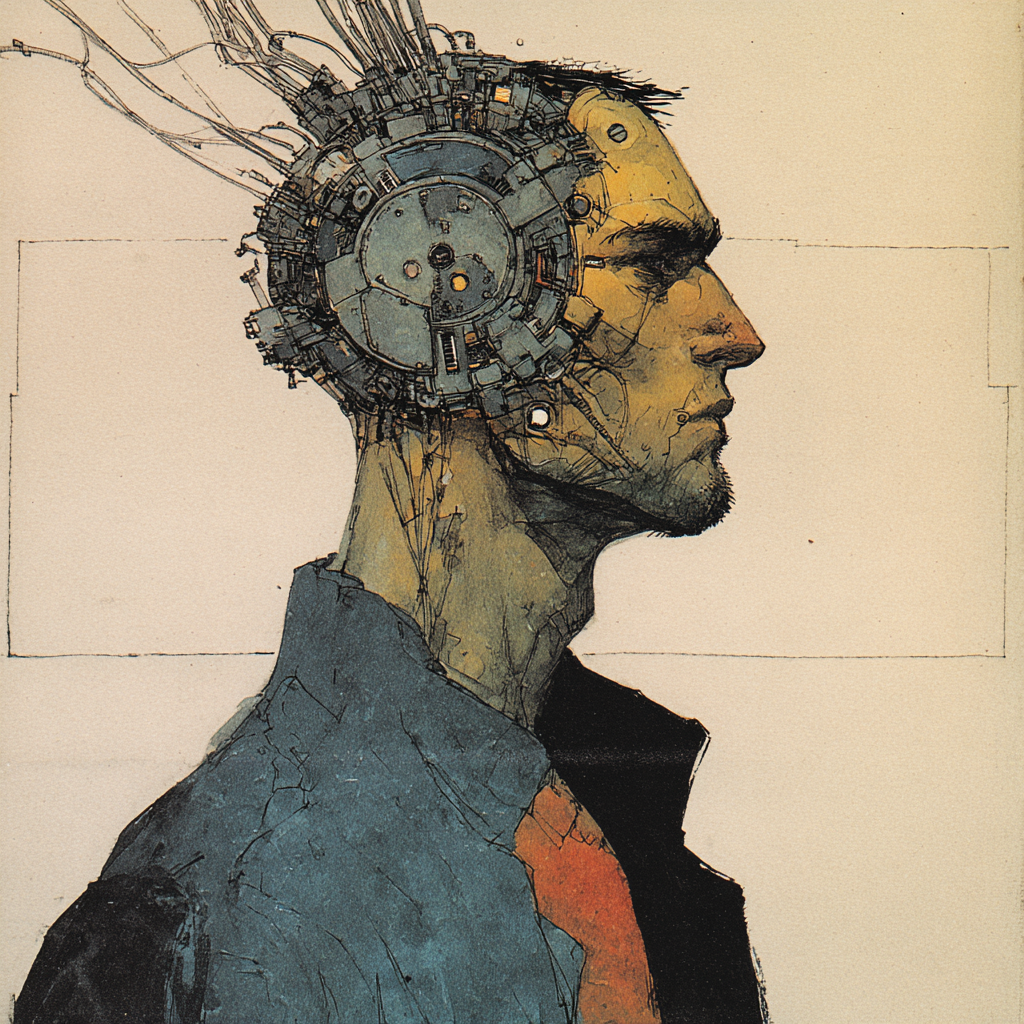
AI trends 2025 in art mean less "noise" and more quality and intention: consistent series, motion/video, framing control and deliberate post-production. If you follow AI art trends and want to know which Midjourney trends actually deliver — here's my no-fluff summary.
1) Style-series instead of one-off hits
Artists are building recognition through coherent cycles (seed, palette, frame, material). These are "collections" rather than random shots; they work great on social media and in print.
Tip: keep a fixed --seed, repeat 1–2 frame ratios (--ar) and limit your palette.
2) Motion and short video
"Living images" (smooth transitions, subtle movement, a few seconds long) for IG/TT/Stories. Even a subtle background animation boosts CTR and watch time.
Start with light parallax, 3–6 s loops, and noise/grain animations.
3) Control over framing and content
Creators are guiding images more intentionally: sketch → frame → details. "General to specific" workflows win, with element negation and prompt weighting.
Use negation (--no) and weights (::) — shorter prompt, cleaner frame.
4) Photoreal + "almost real"
Demand is growing for "near-documentary" images: slight imperfection, natural light, micro-blurs. Realism, yes — but with an "organic" quality.
5) Hybrid workflows: AI → Lightroom/PS → print-ready
Light color grading, artifact cleanup and print preparation (profile, resolution, margins) are becoming standard practice.
Think "from the end": where will this go (web, poster, photobook)? Choose your format, DPI and color profile accordingly.
6) Mood & color as a signature
Instead of a million styles — one or two mood palettes. This builds brand memory and recognition in feeds.
7) Minimal prompts, maximum intention
Prompts are getting shorter but more precise: nouns + key adjectives, without poetic run-ons. Fewer words = cleaner results.
8) Ethics and transparency
More and more creators are disclosing the AI origin of their content and ensuring licensing compliance. Transparency is a plus for your image and commercial collaborations.
9) Micro-details & textures
"Tangibility" in the image: dust, grain, micro-scratches, real reflections. This nuance elevates work above the average.
10) Branding-ready: space for typography
Designing with negative space for a logotype or title in mind. This way a single image works both as a post and as a cover.
How to apply these trends in your workflow (a concrete set)
- Define the series: one theme, fixed
--seed, two ratios (--ar1:1 and 3:2). - Shorten your prompts: subject + light + frame + 2 adjectives + parameters.
- Negate the clutter:
--no text, watermark, logo. - Think about motion: compositions that will "hold up" under subtle motion/loop.
- Post-production: light color correction, edge cleanup, export for the target medium.
Ready prompts (for 2025)
"Photoreal urban calm" series
quiet morning street in [city], soft overcast light, gentle reflections on wet asphalt, human scale, subtle grain, documentary feel --ar 3:2 --stylize 110 --no text, watermarkCover/branding with space for a title
abstract gradient waves with tactile noise, balanced composition, generous negative space on top third, poster-ready --ar 1:1 --stylize 180 --no textConcept loop (motion-ready)
lonely lighthouse in light fog, slow moving clouds, soft volumetric light, serene mood, clean horizon line --ar 9:16 --stylize 140 --no textMost common mistakes in 2025 (and quick fixes)
- Overloaded aesthetics. Stick to 1 direction per series.
- No target destination. Always know "where this will land" (feed/poster/cover) → format and margins.
- Prompts that are too long. Shorten, add negation and weighting where needed.
- Zero post-production. 2–3 minutes of correction = a huge difference.
P.S.: "Trends" change fast. Before launching a series, run a mini-pilot (6–9 frames) and check your audience's response.